- +91 9756545365, +91 7830507022
- srtsethi1@gmail.com
- Mon-Sat 9:00 am - 6:00 pm
A transformer oven is specialized industrial equipment used for heating, drying, and removing moisture from transformer components such as windings, cores, insulation materials, and transformer oil-related assemblies. Proper drying is essential during transformer manufacturing and maintenance because moisture can reduce insulation strength and negatively affect transformer performance and service life.
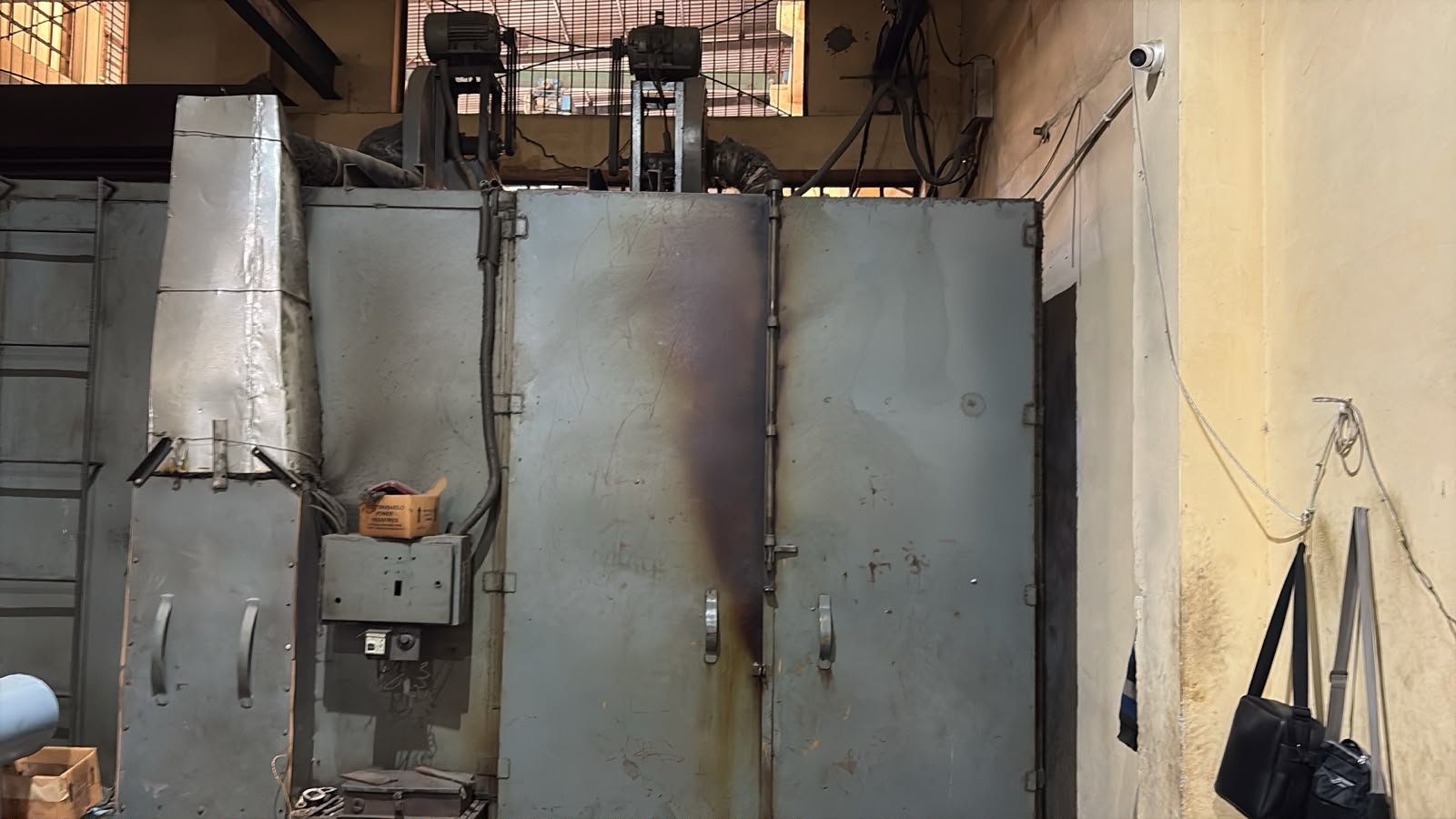
A transformer oven is an electrically heated industrial drying chamber designed to provide controlled and uniform heating. Transformer components are placed inside the oven and heated according to a predetermined temperature and drying cycle.
The controlled environment helps remove moisture and volatile substances from insulation and other components without damaging sensitive materials.
Moisture is one of the major factors that can affect transformer insulation. Even a small amount of moisture can reduce dielectric strength and increase the risk of insulation deterioration.
Proper oven drying helps:
The transformer component is placed inside the insulated oven chamber. Heating elements generate controlled heat, while fans circulate hot air throughout the chamber to maintain a uniform temperature.
Depending on the oven design, temperature controllers and sensors continuously monitor the internal temperature. The drying cycle can then be adjusted according to the size, material, and moisture level of the transformer component.
A typical process includes:
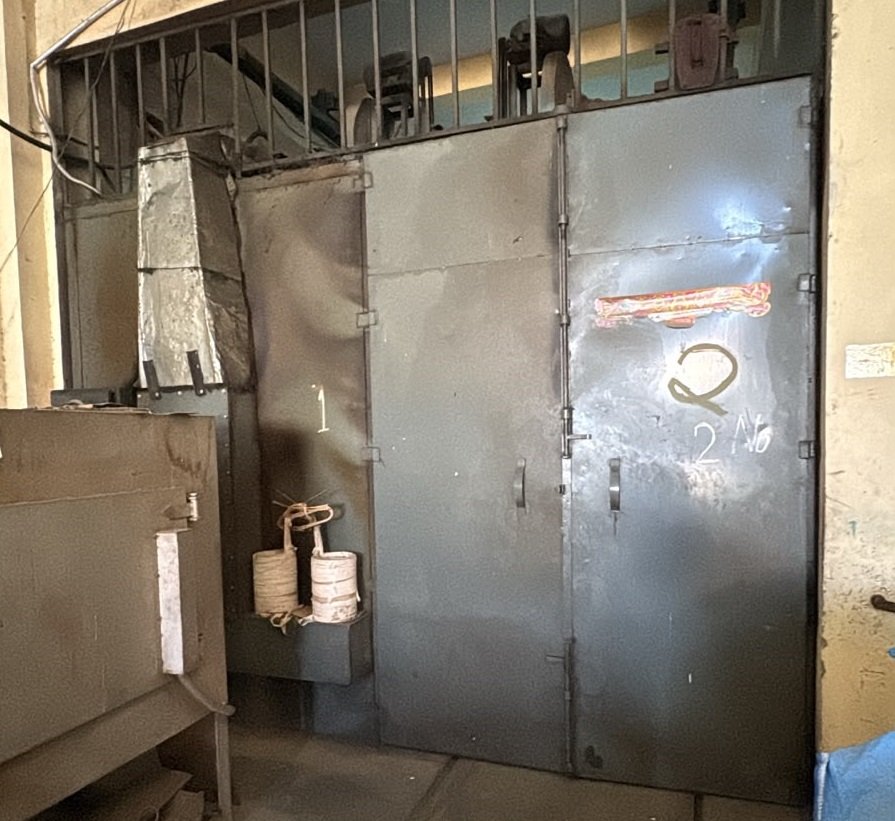
Hot air ovens use electrical heating elements and powerful circulation fans to distribute heat evenly inside the chamber. They are commonly used for drying transformer windings, insulation components, and other electrical assemblies.
Vacuum drying ovens combine controlled heating with vacuum technology. Lowering the pressure helps moisture evaporate more efficiently and is particularly useful for larger transformers and applications requiring deep and controlled drying.
Batch ovens are designed for processing components in individual batches. They are suitable for transformer manufacturers handling different component sizes and production quantities.
Continuous ovens are designed for higher-volume production. Components move through different heating and drying zones, allowing a more streamlined manufacturing process.
A high-quality transformer oven should provide:
Transformer ovens are widely used in transformer manufacturing and electrical equipment industries for:
Using a properly designed transformer oven provides several advantages. Controlled drying improves insulation performance and helps maintain the quality of transformer components.
Other benefits include better process consistency, reduced moisture-related failures, improved production efficiency, and longer transformer service life.
A transformer oven is an important part of the transformer manufacturing and maintenance process. By providing controlled heating and effective moisture removal, it helps protect insulation, improve electrical reliability, and maintain consistent transformer quality.
For transformer manufacturers and electrical equipment industries, selecting an oven with proper temperature control, uniform heat distribution, efficient insulation, and suitable capacity is essential for achieving reliable drying results.