- +91 9756545365, +91 7830507022
- srtsethi1@gmail.com
- Mon-Sat 9:00 am - 6:00 pm

A testing lab analyser is an important piece of equipment used in electrical and transformer testing laboratories to measure, analyze, and verify the performance and quality of electrical equipment. In transformer manufacturing, testing plays a critical role in ensuring that every transformer meets required safety, performance, and quality standards.
Advanced testing laboratory analysers provide accurate measurements and help manufacturers identify electrical and performance-related issues before transformers are supplied to customers.
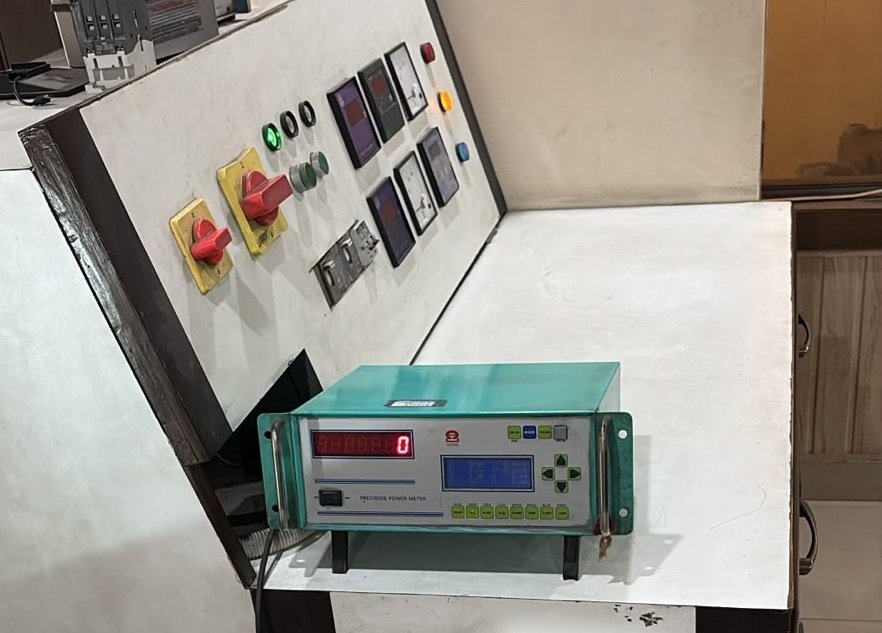
A testing lab analyser is a precision measurement and diagnostic system designed to analyze different electrical parameters of transformers and other electrical equipment.
Depending on its configuration, a testing analyser can measure parameters such as voltage, current, resistance, power, frequency, losses, harmonics, and other electrical characteristics.
These measurements help engineers evaluate transformer performance and confirm whether the equipment meets specified technical requirements.
Transformers operate continuously under varying electrical loads, making reliable testing essential. Proper testing can identify manufacturing defects, incorrect connections, insulation problems, abnormal losses, and other issues before the transformer enters service.
Testing helps to:
A modern testing laboratory analyser may be used to measure several important parameters, including:
Accurate voltage measurement helps verify transformer input and output performance under specified test conditions.
Current measurement is essential for evaluating transformer loading characteristics and identifying abnormal electrical behavior.
The analyser can measure electrical power and power factor to help assess transformer operating performance and losses.
Winding resistance testing helps identify problems such as loose connections, poor joints, damaged conductors, or winding abnormalities.
Frequency measurements ensure that testing is performed under the required electrical conditions.
Core and copper losses are important indicators of transformer efficiency. Accurate measurement helps manufacturers evaluate transformer performance and energy efficiency.
Testing laboratory analysers are commonly used in:
High-precision analysers provide reliable electrical measurements, helping engineers make informed decisions about transformer quality and performance.
Testing every transformer against defined parameters helps manufacturers maintain consistent production quality.
Abnormal readings can indicate potential problems before a transformer is installed or commissioned, reducing the possibility of costly failures.
Loss measurements and electrical performance analysis help manufacturers optimize transformer designs for improved efficiency.
Modern testing systems can record and store test results, making it easier to maintain quality records and generate test reports.
Testing laboratory analysers are an essential part of a transformer manufacturer's quality-control process. After manufacturing, transformers can undergo a series of routine and performance tests.
The analyser collects accurate electrical data during these tests, allowing engineers to compare actual results with the required specifications. This systematic approach helps ensure that transformers are safe, reliable, and suitable for their intended application.
Before selecting a testing analyser, manufacturers should consider factors such as:
A testing lab analyser is a valuable tool for transformer manufacturers and electrical testing laboratories. By providing accurate measurement and analysis of important electrical parameters, it supports quality control, fault detection, performance verification, and reliable transformer manufacturing.
Investing in a suitable testing laboratory analyser can help manufacturers maintain consistent product quality while improving testing efficiency and overall transformer reliability.